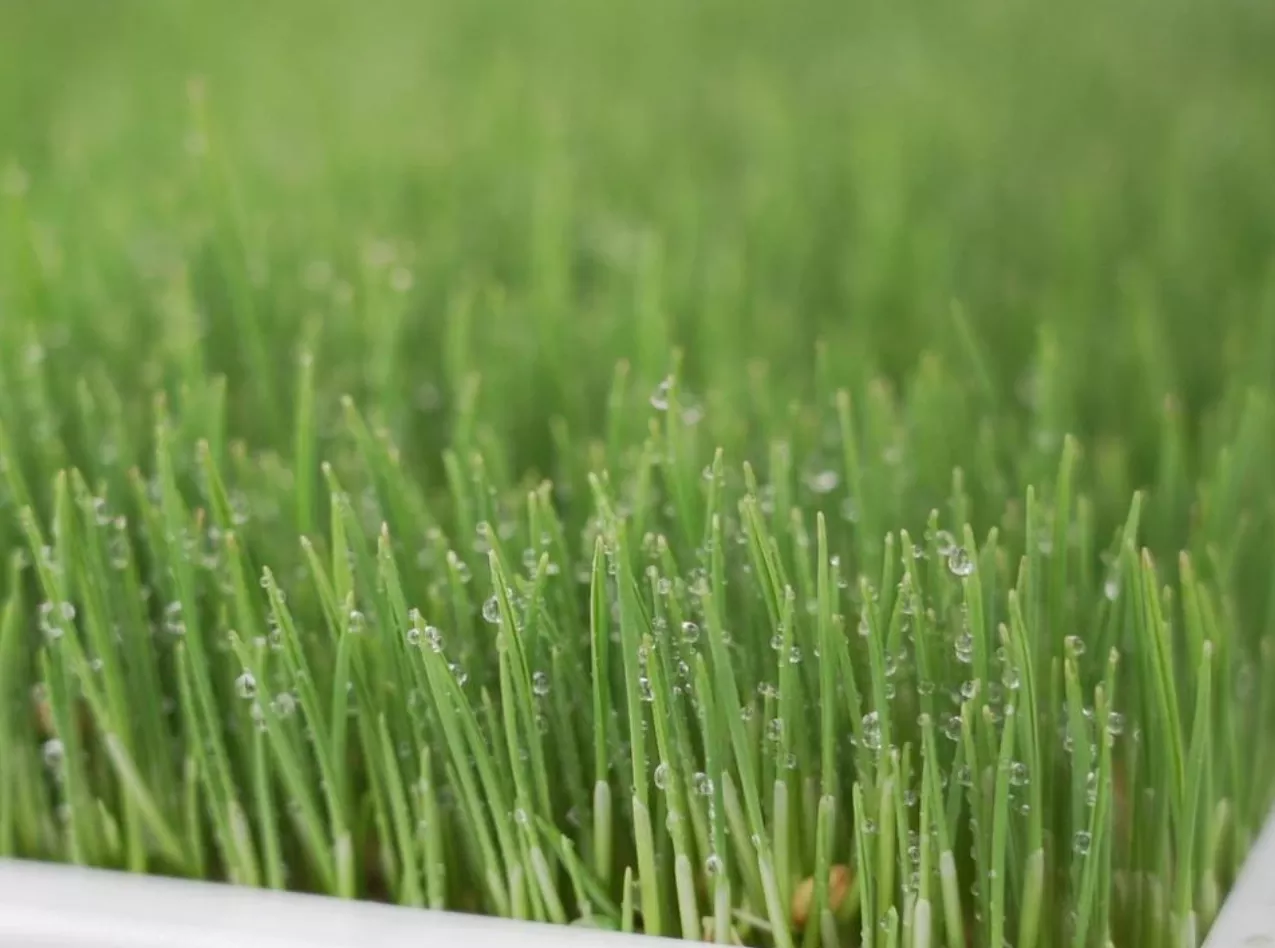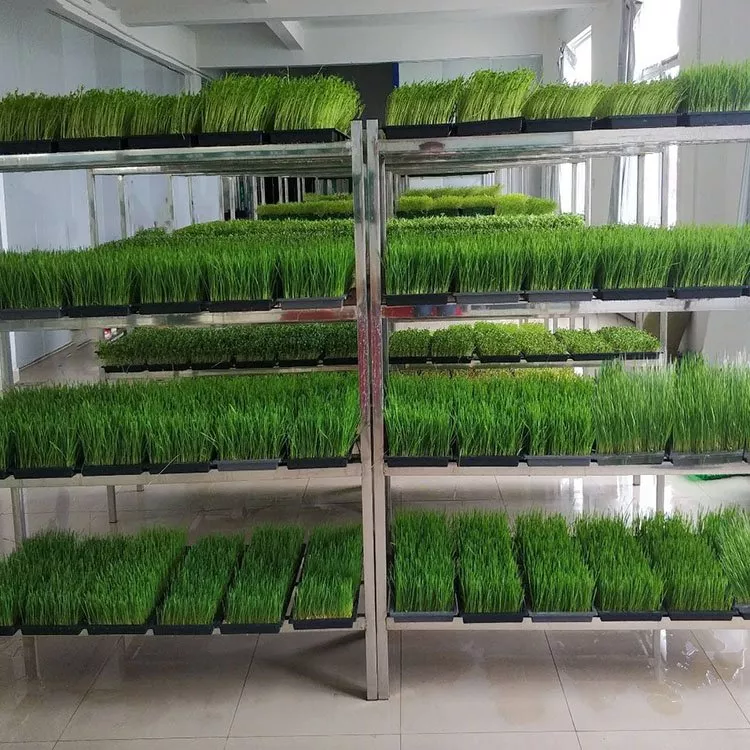
Global livestock production is challenged by land constraints, water scarcity, climate change and volatile forage supply. Hydroponic fodder technology emerges as a practical solution to secure year-round fresh green feed for modern farms.
Hydroponic fodder is commonly cultivated using barley seeds inside climate-controlled indoor vertical systems. Fresh sprouted forage can be harvested within 7–8 days. Thanks to recirculated water and multi-layer growing racks, the technology saves over 90% water and requires minimal land. Rich in digestible protein and vitamins, hydroponic green fodder optimises livestock health and improves the quality of dairy and meat products.
Several clear trends fuel market growth. Livestock operators are increasingly prioritising on-site feed self-sufficiency to cut reliance on imported hay and stabilise production costs. Environmental regulations push the industry to reduce overgrazing, making indoor fodder production an eco-friendly alternative to pasture-based feeding. In addition, modular and automated hydroponic equipment becomes more affordable, enabling adoption by small-scale farms and large commercial ranches alike.
Arid regions, high-latitude cold zones and intensive breeding facilities show the strongest market potential. Still, growers need to follow professional feeding formulas: hydroponic fodder serves as a supplementary green feed rather than sole ration. Proper environmental control is necessary to avoid mould risks during cultivation.
In the long run, hydroponic fodder will become a vital component of climate-resilient animal husbandry. Supported by smarter automation and energy-saving upgrades, this soilless feed production model will witness steady global growth.
Seedafarm provides full sets of hydroponic fodder growing equipment and turnkey project design. Contact us to discuss tailored solutions for your livestock farm.